Evaluating the Golf Mom SVG for Real Embroidery Projects
When a new design file lands in my library, I don’t just glance at it. I think about how it will actually stitch out—the texture, the weight, the final feel on a real product. Today, I’m looking at the Golf Mom SVG Cut File from that exact perspective: as a professional embroidery designer preparing for client projects and my own small shop merchandise.
First Impression: A Clean, Playful Theme for Personalized Apparel
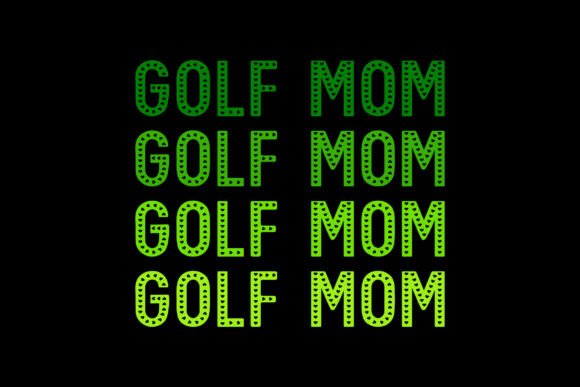
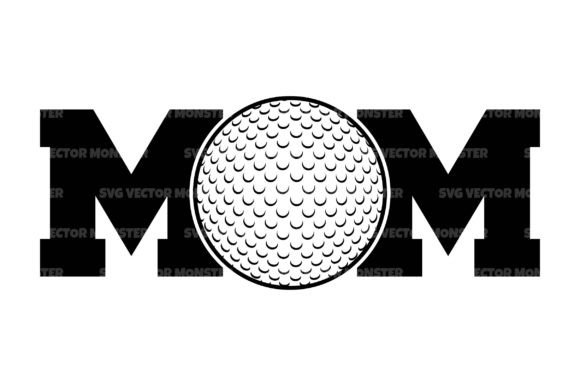
The immediate vibe is friendly and celebratory. It’s not a generic sports graphic; it’s a specific, personal statement. The layout suggests a clean, bold applique or a well-defined satin stitch outline. This isn’t a dense, detailed illustration—it’s a statement piece that would translate beautifully into embroidery, especially for custom apparel like sweatshirts or tote bags. The visual personality is lighthearted and proud, perfect for a personalized gift or boutique product aimed at a particular community.
Where This Design Naturally Belongs in Embroidery
I’m imagining a real scenario: a client requests an embroidered tote bag for a golf-themed birthday gift. This file would be a strong contender. Its clear, scalable vector nature means I can adjust it for the bag’s dimensions without losing integrity. It would stitch out cleanly on the canvas fabric, creating a durable, handmade presentation that feels special. Beyond tote bags, I’m thinking about:
- Custom apparel: Embroidered on the back of a polo shirt or a cozy sweatshirt.
- Baby embroidery: Simplified and stitched on a little onesie for a “future golfer” theme.
- Embroidered patches: A fantastic standalone patch for a cap or bag.
- Home goods: Pillow covers or tea towels for a golf enthusiast’s kitchen or den.
- Holiday gifts: Personalized products like an apron for a Father’s Day or Mother’s Day brunch.
The design’s strength is its recognition factor. It instantly communicates a hobby and an identity, which boosts buyer engagement and the giftability of the finished product.
Performance in Real-Life Stitching Situations
For machine embroidery, the key will be translating this vector into a clean embroidery file. The likely approach would involve bold satin stitches for the lettering and either fill stitches or applique for the main graphic element. On a textured fabric like a sweatshirt, using proper stabilizer is crucial to maintain the design’s crisp shape. On smoother fabrics like polo shirts, it would pop with excellent clarity.
For commercial embroidery projects or small business merchandise, such as items for a craft fair, this design adds value through its niche appeal. It helps build brand consistency for a shop focused on sporty or personalized themes. However, its success depends entirely on execution.
Caution Areas: Where to Test and Adjust
This isn’t a design I would blindly run on any project. Some situations require careful planning:
- Small hoop sizes: If reducing it drastically for a baby item cap, the detail level must be checked. Tiny lettering can get lost or become too dense.
- Stretchy or thin fabric: Without adequate stabilizer, the stitch density could cause puckering on t-shirts or certain baby clothes.
- Dark fabric: Thread color contrast is paramount. This design would need bright, contrasting threads to maintain its playful mood on dark backgrounds.
- Curved surfaces: Embroidering it on a cap requires checking the layout to ensure it fits the curved panel without distortion.
- Products needing frequent washing: For kitchen towels or aprons, a robust stitch configuration is needed to ensure longevity.
A failed embroidery project hurts customer trust. Therefore, the practical designer’s rule always applies: test the design on scrap fabric first.
Affecting Visual Appeal and Professionalism
A well-embroidered Golf Mom SVG Cut File elevates a simple product. On a high-quality sweatshirt, it looks professional and intentional, not slapped on. This boosts the perceived value for an Etsy listing or small shop product. For digital product sellers offering printable mockups, a clean embroidery preview of this design can serve as a powerful design asset to showcase its potential.
However, the handmade presentation relies on stitching clarity. Muddy fills or shaky satin stitches would undermine the design’s clean personality. It’s a design that demands precision to fulfill its promise.
Practical Notes for the Working Designer
Before I commit this to a client’s order or my own craft business inventory, my process involves:
- Checking the final embroidery file’s stitch density for my target fabric weight.
- Reviewing small details in a black and white mockup to ensure they’ll be distinct.
- Comparing how it looks conceptually on both light and dark fabric backgrounds.
- Confirming the licensing terms before selling any finished items or commercial embroidery projects using the file.
- Ensuring my hoop size and stabilizer choice match the project’s scale and fabric.
Since the provided description states it’s a vector cut file for Cricut and Silhouette, I would need to convert or source a dedicated machine embroidery file version for my work. The vector foundation is excellent for resizing and recoloring, which gives flexibility for different products.
In conclusion, the Golf Mom SVG Cut File presents a strong, niche theme with clear commercial and gift appeal for embroidery. Its success hinges on a designer’s technical skill to translate it into a physical stitch with care and precision. It’s not a one-size-fits-all design, but for the right project—a custom embroidered tote, a personalized gift, or a boutique’s themed apparel—it can stitch out into something truly special and valuable.