A "Recipe for a Bonus Mom": The Embroidery Designer's Perspective
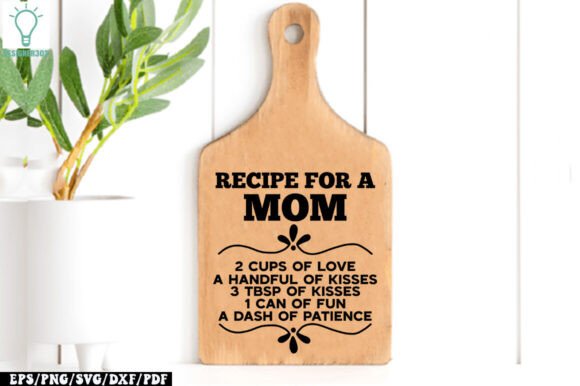
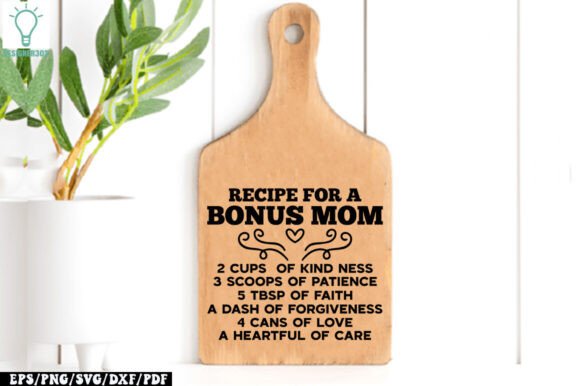
When a new embroidery file lands in my library, my first question isn't about the formats—it's about the story. The Recipe for a Bonus Mom SVG isn't just a graphic; it’s a sentiment, a warm acknowledgment of a special family role. My initial impression is one of gentle celebration. The layout feels balanced and intentional, with a clear central theme that speaks directly to the heart. It’s a design that doesn’t shout; it warmly invites. This visual personality makes it a natural fit for personalized gifts and heartfelt handmade products, rather than broad, generic merchandise.
The Perfect Project Starts with the Right Mood
Imagine a client requesting a custom gift for a woman who has stepped into a mothering role. A tote bag, an apron, or a beautifully framed pillow cover for her home. This design provides that exact, nuanced message. It's specific enough to feel deeply personal, yet universally understandable. The detail level in the bundle's files appears clean, which is crucial for translating a digital graphic into clean, crisp stitches. For embroidery, especially on items like kitchen towels or apron pockets, a cluttered or overly intricate design can lose clarity. Here, the potential for a clean satin stitch outline or a tasteful fill stitch area looks promising, creating a professional, gift-ready finished product.
Where This Design Finds Its Home in the Real World
In practical terms, I see the Recipe for a Bonus Mom SVG excelling on a range of projects. For small business owners and Etsy sellers, it’s a strong candidate for boutique sweatshirts or cozy blanket corners—items meant to be kept and cherished. As an embroidered patch, it could become a meaningful addition to a backpack or a denim jacket. For baby clothes or nursery decor, paired with a soft fabric like muslin, it could celebrate a bonus grandma. The key is pairing the design with a product that matches its emotional weight. A holiday gift, a wedding gift for a new blended family, or a simple custom cap for a special outing—each application amplifies the design’s core message.
Navigating the Practical Stitching Landscape
Every embroidery designer knows that a beautiful graphic must survive the transition to thread and fabric. With a design like this, careful planning is essential. The bundle’s inclusion of multiple formats—SVG, DXF, PNG, EPS, PDF—means flexibility for software and machine setup, but my focus turns to the stitch-out.
First, I always test on scrap fabric first. This is non-negotiable. Using the same material you plan for the final project—whether it’s a textured canvas tote, a stretchy sweatshirt knit, or a smooth baby apparel cotton—reveals everything. You’ll see how small details, like potential tiny lettering elements, hold up. You’ll check stitch density to ensure it’s not too dense for thin fabrics or too sparse for a bold look on dark fabric backgrounds. This test run informs your stabilizer choice and confirms the minimum comfortable hoop size needed to maintain the design’s integrity.
Considerations for Visual Appeal and Commercial Sense
The visual appeal of an embroidered item directly impacts perceived value and customer trust. A clean, well-executed stitch-out of this design elevates a simple product into a thoughtful handmade presentation. For craft business items, this consistency builds brand reputation. For a digital product seller using these files to create printable mockups or design assets, the clarity of the provided formats is a professional starting point.
However, there are places to proceed with caution. Very small hoop sizes might compromise detail. Textured or highly curved surfaces like some caps can distort elements. Dark fabrics require careful thread color contrast planning—sometimes a lighter underlay or a different stitch type can enhance readability. And for products destined for frequent washing, like kitchen towels or baby items, ensuring the stitch structure is secure and the thread colors are stable is paramount for longevity.
A Designer’s Notes for Your Embroidery Project
Before loading this file for a client project or your own shop merchandise, here is my practical checklist. Review the design in black and white mockups to understand its form without color influence. Compare how it might look on both light and dark fabric backgrounds in your software. Confirm the licensing terms for the bundle—can you use it for commercial embroidery projects, selling the finished physical items? This is a crucial step for Etsy sellers and small shop owners. Never assume.
When you stitch, use proper stabilizer suited to your fabric. Inspect the small details after a test run; sometimes a minor adjustment in scaling makes all the difference for stitching clarity. And finally, think about the recipient or customer. Does the finished embroidered piece—whether on a tote bag, a pillow, or a cap—feel like a genuine, professional expression of the “Bonus Mom” sentiment? That’s the ultimate measure of a design’s success.
The Final Stitch: Beyond the Digital File
The Recipe for a Bonus Mom SVG bundle is a set of graphics, but its real value is unlocked in the making. It’s a design that encourages a thoughtful approach. It’s not for mass-produced, anonymous apparel decor, but for the specific, meaningful projects that define a craft business or a personal gift-giving moment. As an embroidery designer, my judgment is that this design has a clear and valuable place. It asks you to pair it with the right project, the right materials, and the right intention. When you do, the resulting embroidery project becomes more than a product; it becomes a keepsake.