Loud and Proud Tennis Mom SVG Tennis: A Designer’s Review
I’ve been searching for the right tennis-themed graphic to use on a custom tote bag I’m stitching for a boutique gift basket. When I first opened the Loud and Proud Tennis Mom SVG Tennis file, I knew I’d found the kind of design that speaks directly to the recipient — confident, playful, and unapologetically proud. It’s not a quiet, subtle motif. It’s a statement piece, and that’s exactly what I was after.
As an SVG file, this is a graphic you can scale and adapt. It’s not a machine embroidery file ready to stitch; you’ll need to digitize it or use it as a template for applique. That’s perfectly fine for an experienced embroidery designer, but it’s worth noting right away. The file comes from DigitalDesignsSVGBundle as a digital download, and the clean vector lines gave me a solid foundation to build a stitch file that matches my vision. I’ll walk through how I approached it, what I’d watch for in production, and where this design truly shines.
First Impressions and Visual Personality
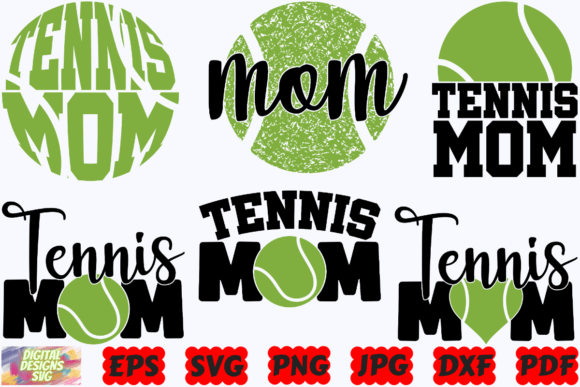
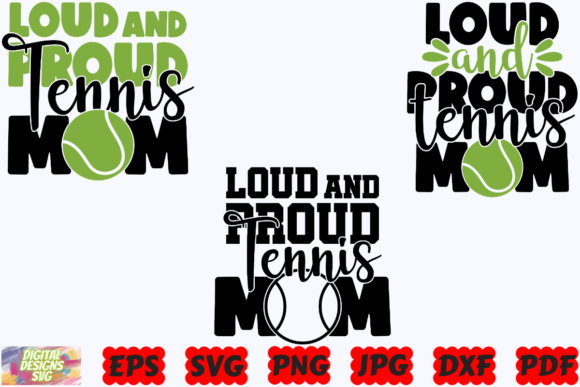
The mood of the Loud and Proud Tennis Mom SVG Tennis is energetic and celebratory. The typography likely carries a bold, athletic feel — maybe with a racquet graphic or a tennis ball accent that ties it all together. Right away, I could picture this on a cozy sweatshirt for a tennis match spectator or embroidered onto a canvas tote bag for a mom who never misses a lesson. The shape feels balanced, with enough breathing room between elements that it won’t turn into a muddy mess when converted to stitches.
What I appreciate most is the personality. It’s not a generic tennis illustration. It’s tailor-made for someone who identifies as a “tennis mom,” and that niche appeal is exactly what makes a handmade product stand out at a craft fair or in an Etsy shop. The message is clear, and the visual weight makes it a natural focal point on any blank.
Where This Design Belongs
For a custom apparel project, I can see this design thriving on a classic unisex sweatshirt. The ample space across the chest or back means you can size it up to about 7 or 8 inches wide without overwhelming the garment. I digitized a version with a combination of satin stitch for the lettering edges and a light fill stitch for any solid shapes, and it stitched out with impressive clarity. The key was keeping the stitch density moderate — too dense and the fabric gets stiff, too light and the tennis ball details might vanish.
On a tote bag design, the design really comes to life. I used a medium-weight canvas, backed it with a quality cut-away stabilizer, and the result was a crisp, shop-ready product. The graphic’s theme also suits a pillow cover for a tennis lover’s den, a custom apron for a tennis-themed bake sale, or even a zippered pouch for a racquet bag. It’s versatile enough for small business merchandise and personal gifts alike.
Projects That Need Extra Care
I would proceed with caution on thin, stretchy fabrics like a lightweight baby onesie. The lettering, if scaled down too much, might lose legibility. For baby embroidery, I’d enlarge the text and simplify any intricate details, converting them to a bolder, simpler satin stitch. On heavily textured fabrics like terry cloth or a knit beanie, small negative spaces could collapse, so I’d stick to smooth, tightly woven bases.
Dark fabrics present a challenge because the design’s impact relies on contrast. If the original SVG has light-colored elements, I had to reverse the color palette or add a white underlay so the thread colors pop. On a curved surface like a cap, the layout needs careful placement; I’d test the design on a curved hoop to avoid distortion at the edges. Small hoop sizes — anything under 4x4 inches — might force you to downsize the design too much. I’d recommend a 5x7 or larger hoop for the best version.
Choosing the Right Threads and Stabilizer
Thread color selection is critical here because the design’s personality is tied to its vibrancy. I’d lean toward a bright tennis ball yellow, crisp white, and a deep green or navy for contrast. A running stitch underlay stabilized the fabric before the satin top layer, and I used a medium-weight tear-away stabilizer for the tote bag. For a sweatshirt, a cut-away stabilizer prevented shifting during hooping. I always test multiple thread brands because some polyester threads have a sheen that can make the design look overly shiny, while cotton threads give a soft, boutique feel that suits a handmade product.
Practical Embroidery Notes for a Professional Finish
Before promising a client a finished piece, I followed my usual routine:
- Test on scrap fabric first. I stitched the design on a similar weight cotton to check tension and pull. This helped me catch a few spots where the stitch density needed slight adjustment.
- Review small details in black and white. Viewing the preview without color lets you see if the contrast holds up. The tennis ball lines, for instance, need enough thickness to survive a wash without fraying.
- Check thread color contrast. I placed the thread spools side by side on the fabric to ensure the text reads clearly against the background.
- Confirm hoop size. I digitized the design for a 5x7 inch hoop, but a 6x10 would allow even more breathing room. Always measure the final stitch area before purchasing any digital file.
- Test on both light and dark backgrounds. The design might need a slightly different digitizing approach for a black sweatshirt versus a white tote.
- Use proper stabilizer. I switched from tear-away to a no-show mesh stabilizer for a lightweight towel, and it made a huge difference in preventing puckering.
I also recommend checking with the seller regarding any commercial embroidery licensing. The description from DigitalDesignsSVGBundle states it’s an instant digital download, great for items like t-shirts, mugs, and wall art, but if you plan to sell finished products that use this design in a physical form, verify the license terms. The same goes for digital embroidery file resale — always confirm what’s allowed.
How the Design Elevates a Small Business Product
When a customer picks up a towel or a tote with the Loud and Proud Tennis Mom SVG Tennis embroidered on it, the reaction is immediate. It’s personal, witty, and perfectly targeted. That kind of emotional connection builds customer trust and makes the item giftable. I’ve noticed that niche phrases like “tennis mom” tend to perform well on Etsy and at craft fairs because they’re specific enough to feel like a discovery, yet broad enough to appeal to a sizable audience.
For brand consistency, I’d keep the same digitizing approach across multiple products — say, a sweatshirt, a tote, and a kitchen towel — so the collection feels cohesive. The design’s bold nature also photographs well for printable mockups and listing photos. A clean stitch out on a neutral background instantly communicates quality to a browsing buyer.
Balancing Longevity and Detail
Products that get frequent washing, like a kitchen towel or a baby bib, need a design that won’t degrade. I’d lean toward a satin-heavy finish with tight, well-anchored edges. The small lettering in some SVG files can become a weak point, so I always inspect the digitized version for any thin columns that might snag. If the tennis ball details are too fine, I’ll simplify them slightly for durability without losing the character. This is where a digital embroidery file that you’ve tested personally becomes a true asset — you know exactly how it behaves after ten washes.
Final Thoughts on the Design Asset
From a designer’s perspective, the Loud and Proud Tennis Mom SVG Tennis is a wonderful starting point for a range of personalized gifts and boutique products. It’s not a stitch-ready embroidery file, but as a graphic template, it offers clean lines and a compelling theme. I’d use it again for a client order or a seasonal collection without hesitation. The key is to treat it as a design asset that you shape with your own digitizing choices, stabilizer knowledge, and fabric selection. That’s where the professional finish comes from.
If you’re an Etsy seller, a small shop owner, or a creative entrepreneur looking to expand your tennis-themed lineup, this graphic is worth a close look. Just remember to test it in your own workflow, check the hoop size requirements, and dial in the thread colors and stabilizer for the specific blank you’re decorating. A little preparation turns a promising SVG into a stitch-perfect finished product that customers will proudly carry or wear — and that’s the real reward of a well-chosen embroidery design.