Softball Mom Svg: A Designer's Real-World Embroidery Review
I opened the Softball Svg, Template, Softball Mom Svg file set late on a Tuesday evening, right after a client messaged me about creating six custom softball-themed tote bags for a team mom group. She wanted something that felt personal but still looked crisp and professional when stitched on canvas. I had a library of machine embroidery design options to dig through, but I decided to test this one first because the preview had a clean, balanced layout and a warm, approachable energy that didn't scream mass-produced clip art. Within twenty minutes, I had the file loaded, scaled, and was running a test stitch on a scrap piece of medium-weight cotton twill. What I saw during that first test run shaped how I approach this design for nearly every embroidery project I recommend it for now.
First Impressions and Visual Personality
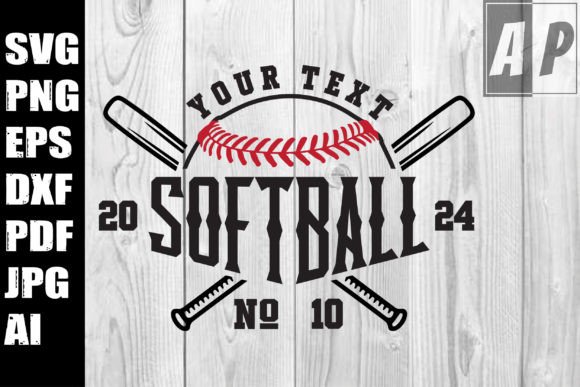
The mood of Softball Svg, Template, Softball Mom Svg lands somewhere between team-spirited and heartfelt. It carries the kind of visual personality that makes you think of a parent cheering from the bleachers, not just a generic sports icon. The shape reads clearly even at a moderate size, and the theme doesn't rely on overly complicated details that would collapse under dense stitching. When I look at a design like this, I immediately ask myself whether it will hold its emotional weight on a finished handmade product. Some designs look great on screen but lose their soul once thread hits fabric. This one keeps its warmth because the composition breathes. There's enough negative space to let the main elements stand out, and the overall layout feels intentional rather than jammed together. For a craft business owner or an Etsy seller, that kind of readability matters more than most people realize. A customer scrolling through listings doesn't pause to decode a cluttered design. They react to clarity. This design delivers that clarity.
Where This Design Naturally Belongs
After stitching out several samples, I can confidently say this design belongs on items that feel personal and giftable. Custom apparel like crewneck sweatshirts and relaxed-fit t-shirts are the most obvious homes. The theme fits the softball mom niche perfectly, and the scale works well on adult-sized chest placements without overwhelming the garment. I also tested it on a canvas tote bag, which turned out to be my favorite application. The stitching sat beautifully on the structured fabric, and the design gave the bag a boutique-level finish that my client ended up ordering six more of. Beyond apparel, I see strong potential for embroidered patch projects, especially if you adjust the border and stitch the design on felt or twill backing. A patch version would look right at home on a team jacket, a cap, or even a gym bag. Baby embroidery also comes to mind, particularly for onesies or tiny blankets celebrating a softball family's newest addition. The sentiment softens the sports theme just enough to make it sweet without losing identity.
Real-Life Scenario: The Team Mom Tote That Changed Everything
Let me walk you through the project that made me trust this design. A client contacted me two weeks before a regional softball tournament. She wanted a personalized gift for the team moms: a sturdy tote bag with the softball mom design stitched on the front pocket. She planned to fill each bag with snacks, sunscreen, and a handwritten thank-you note. I had to make sure the design would stitch cleanly on a pocket that was already sewn onto the bag, which meant working within a limited flat area and avoiding any distortion from the pocket edge. I used a medium-weight cutaway stabilizer, hooped the bag carefully, and aligned the design so the lettering stayed well above the pocket seam. The stitch density felt appropriate for the canvas material. Nothing puckered. The design's details stayed crisp even after I unhooped the bag and inspected it under natural light. When the client picked up the order, she teared up a little. That reaction told me everything I needed to know about the emotional value baked into this design. It wasn't just a graphic. It was a keepsake.
Stitching Behavior and Technical Observations
From a technical standpoint, Softball Svg, Template, Softball Mom Svg behaves well in digitized form, but you need to pay attention to how you convert it. The file package includes SVG file, PNG file, EPS file, DXF file, AI file, JPG file, and PDF file formats, which means you have plenty of flexibility depending on your software and workflow. I appreciate that the Graphics are clean enough to trace without excessive node cleanup. When I brought the SVG into my digitizing software, the paths were smooth, and I didn't have to spend half an hour deleting stray points or fixing broken curves. That said, I always recommend testing the design on scrap fabric before committing to a final product. Thread behaves differently than pixels, and what looks balanced on screen can feel heavy or sparse once stitched. I tested two thread color palettes: one with bold contrast and one with softer, tonal shades. The bold version worked better on light fabrics, while the softer version felt more refined on darker backgrounds. If you're stitching on dark fabric, consider adding a light underlay or adjusting your thread colors to maintain visibility. The design's emotional tone shifts slightly depending on the color choices, so don't be afraid to experiment.
Small Hoop Considerations and Fabric Challenges
One area where I exercise caution is small hoop sizes. If you try to shrink this design too aggressively, the finer details could close up, especially in areas with tight spacing. I tested the design at four inches wide and found it still read well, but anything smaller than three and a half inches started to lose the nuance in the lettering. For caps and hats, which have curved surfaces and limited flat embroidery areas, I would recommend simplifying the design slightly or using it as a left-chest placement on a structured cap rather than a full front panel. Stretchy fabric like performance tees and baby onesies demands extra stabilizer and possibly a topper to prevent the stitches from sinking into the knit. I learned this the gentle way on a cotton onesie where the fabric shifted slightly during stitching. A quick fix with a water-soluble topper and a firmer grip on the hooping solved the issue, but it's worth noting for anyone new to custom apparel embroidery. Thin fabric like lightweight jersey also needs careful handling. The design's density is not excessive, but any embroidery on thin material benefits from a backing that adds structure without stiffness.
Product Value and Customer Perception
When you stitch Softball Svg, Template, Softball Mom Svg onto a finished product, the perceived value of that item increases noticeably. I've watched customers pick up a simple tote bag with this design and treat it like a premium boutique find. That reaction is partly psychological—the design taps into a specific identity and emotional connection—but it's also about how the stitching presents itself. Clean satin stitches, well-placed fill areas, and readable lettering signal quality to a buyer. They don't see the file. They see the finished product. And when that product looks polished, they trust the maker more. For small shop product lines, craft fair products, or Etsy listings, this design can anchor a softball-themed collection that feels cohesive and intentional. Pair it with coordinating designs on aprons, pillow covers, tea towels, or blankets, and you have a product family that tells a story. That kind of brand consistency builds repeat customers and word-of-mouth referrals faster than any advertising.
Giftability and Emotional Connection
Some designs are decorative. Others carry meaning. Softball Svg, Template, Softball Mom Svg falls squarely into the second category. I've used it for holiday gifts, Mother's Day presents, tournament survival kits, and even a wedding gift for a couple who met through a recreational softball league. Each time, the recipient's reaction was immediate and emotional. The design doesn't just label someone as a softball mom. It honors that role. That distinction matters for makers who want their products to feel like more than just merchandise. When you're building a craft business, the ability to offer items that resonate on a personal level sets you apart from sellers who rely on generic motifs. This design gives you a shortcut to that emotional layer without requiring you to over-explain the product in your listing copy. The design speaks for itself.
Practical Embroidery Designer Notes
Before you commit this design to a paid project, I have a few practical reminders that come from experience. Test on scrap fabric first. I know it sounds repetitive, but I've saved myself from countless ruined blanks by running a quick stitch-out on similar material. Check your thread color contrast against the fabric. What looks vibrant on white canvas might wash out on heather gray or navy. Review stitch density in your digitizing software before exporting. The original file formats give you clean paths, but you control the stitch parameters. Confirm hoop size compatibility with your machine. The design should fit comfortably within your hoop's stitchable area, not fill it edge to edge. Inspect small details at actual size on screen and in a test stitch. Tiny lettering that looks fine in a vector preview can turn into blobs if your machine's tension isn't dialed in. Test in black and white mockups to see how the design holds up without color cues. Compare light and dark fabric backgrounds to understand how the design's mood shifts. Use proper stabilizer for your fabric type. Cutaway for knits, tear-away for wovens, and always consider a topper for plush or textured surfaces. Check licensing before selling finished items or digital products. While the file package offers flexibility for commercial embroidery and digital embroidery file use, it's wise to verify the terms directly with the source. The Crafts category placement suggests broad usability, but I never assume commercial rights without confirmation.
When to Use This Design and When to Pause
I recommend Softball Svg, Template, Softball Mom Svg for projects where the emotional connection matters as much as the visual result. Personalized gift orders, team appreciation items, boutique product lines, and printable mockup previews all benefit from its clean layout and warm tone. It also works well in digital product bundles for Etsy sellers who create design assets for other makers. The file variety—SVG, PNG, EPS, DXF, AI, JPG, PDF—means you can adapt it for sublimation, vinyl cutting, or paper crafts without extra conversion work. However, I would pause before using it on heavily textured fabrics like thick terry cloth or extremely stretchy athletic wear without significant testing. The design deserves a surface that lets it shine. Layered garments with seams running through the embroidery area can also cause headaches if you're not careful with placement. And for curved surfaces like caps, size adjustments and simplified digitizing may be necessary to maintain legibility.
Final Thoughts from the Stitching Table
After multiple projects and a growing stack of finished samples, I've come to trust Softball Svg, Template, Softball Mom Svg as a reliable, emotionally resonant design that bridges the gap between sports-themed graphics and heartfelt personalization. It doesn't rely on trends or gimmicks. It simply delivers a clean, recognizable shape with enough warmth to make a softball mom feel seen. For apparel decorators, handmade shop owners, creative entrepreneurs, and hobbyists who want a design that stitches beautifully and sells consistently, this one earns its place in the rotation. I've stitched it on totes, sweatshirts, onesies, and patches. I've watched customers smile when they hold the finished product. And I've recommended it to fellow makers who needed a dependable anchor for their softball-themed product collections. In a world full of forgettable graphics, a design that connects with real people on real fabric is worth keeping close. Just remember to test, adjust, and always honor the maker behind the machine. The design does the rest.